Commercial rubbish clearance Maida Vale Studios
Posted on 22/05/2026
Commercial rubbish clearance Maida Vale Studios: a practical guide for businesses, venues and workspaces
If you manage a studio, office, rehearsal space, production room, retail unit, or a shared commercial property in Maida Vale, rubbish has a habit of arriving faster than anyone plans for. Old packaging stacks up. Broken furniture gets pushed into a corner. End-of-project waste suddenly blocks a corridor. And before long, the place feels busier, tighter, and a bit harder to work in. Commercial rubbish clearance Maida Vale Studios is the straightforward answer when you need that space back without turning the whole thing into a logistical headache.
This guide explains what commercial clearance actually involves, how the process works, who it helps, and how to choose the right approach for your site. It also covers practical issues people often overlook, like access, safety, recycling, timing, and compliance. If you want a clearer picture before booking, you're in the right place. And if you're exploring wider service options, the services overview is a useful place to start.
Key takeaway: commercial clearance is not just "taking rubbish away". Done properly, it protects your workflow, reduces disruption, supports safer premises, and helps you deal with waste in a more responsible way.
Why Commercial rubbish clearance Maida Vale Studios Matters
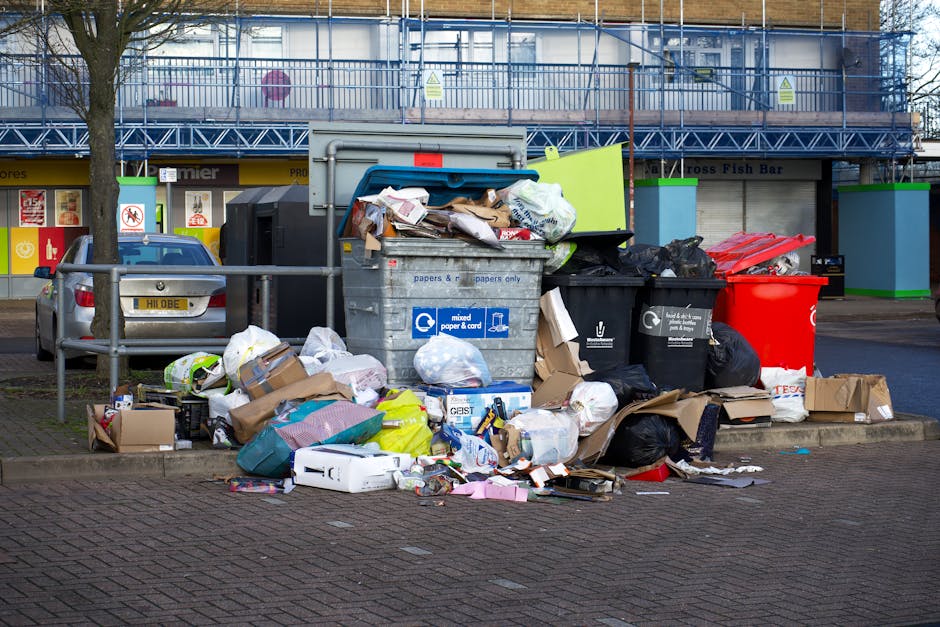
Commercial spaces run on momentum. A studio, office, or customer-facing premises in Maida Vale usually depends on clear floors, usable storage, safe access routes, and a reasonably calm environment. Once waste starts to pile up, all of that slips. A few discarded chairs can block a loading area. Cardboard and mixed packaging can become a fire and trip hazard. Old stock, fixtures, or renovation offcuts can make a business look neglected even when everything else is functioning well.
That matters for more than appearances. It affects day-to-day work, staff morale, visitor experience, and, in some cases, operational safety. If you've ever tried to squeeze past a pile of black sacks while carrying boxes, you'll know the feeling. Not exactly ideal. For businesses in and around Maida Vale, where access can already be tight and timing matters, fast, organised clearance can be the difference between a smooth working week and a frustrating one.
There's also a local reality to consider. Maida Vale has a mix of residential streets, busy transport links, and commercial premises that often sit in compact or shared-access settings. That means waste needs to be removed with care: not just quickly, but cleanly, quietly, and without upsetting neighbours or clients. If you want to understand the area a bit more broadly, there's a helpful local read on Maida Vale's balance of calm streets and city energy.
In practical terms, commercial clearance becomes especially valuable when:
- you're moving out, moving in, or reconfiguring a workspace
- you need regular removal of bulky or mixed business waste
- your site has accumulated clutter after events, refits, or stock changes
- you want to avoid over-reliance on small bins and ad hoc waste handling
- you need a clear, predictable disposal process rather than patchwork solutions
How Commercial rubbish clearance Maida Vale Studios Works
The process is usually simpler than people expect, which is good news. Commercial rubbish clearance generally starts with an assessment of what needs removing, where it is, how much access there is, and whether any items need special handling. A studio space is often different from a standard office: you may have sound equipment cases, prop materials, packaging, furniture, backline items, production waste, or old fittings to move. The job is to sort the waste properly and remove it without disrupting the site.
Most clearances follow a pattern like this:
- Initial enquiry or quote request - You describe the waste type, volume, location, and timing needs.
- Site understanding - The provider checks access, parking, stairs, lifts, loading points, and any restrictions.
- Price estimate - Costs are usually based on volume, weight, labour, disposal type, and time on site. If you want a clearer sense of quote structure, the pricing and quotes page is worth a look.
- Arrival and loading - The team removes items, often sorting recyclable materials separately where possible.
- Transport and disposal - Waste is taken to appropriate facilities, transfer stations, or recycling routes.
- Final sweep-up - The area is left tidy so the business can get back to normal quickly.
That sounds straightforward, but the details matter. For example, a first-floor studio with a narrow stairwell and no lift is very different from a ground-floor office with rear access. Likewise, a job involving mixed office furniture is not the same as a clearance with electrical items, plasterboard, or construction debris. If your waste is linked to a fit-out or refurbishment, it may overlap with builders waste disposal in Maida Vale, which has its own handling considerations.
One small but important point: good clearance is not just about speed. It is also about making sure the right material goes to the right route. That's where an experienced team adds real value, because a rushed job can turn into a messy one quite easily.
Key Benefits and Practical Advantages
There are obvious benefits, like getting rid of clutter, but the better reasons are often more operational than visual. Commercial premises can lose time and money when waste is left unmanaged. Staff spend longer navigating around it. Cleaning becomes harder. Deliveries can be delayed. Clients see a less polished space. None of that is dramatic on its own, but it adds up, as these things do.
Here are the main advantages businesses usually notice:
- Better use of space - Clearing dead space makes storage, circulation, and working areas more usable.
- Improved safety - Removing clutter reduces trip hazards and obstruction risks.
- Faster turnaround - A professional team can often remove what would otherwise take your staff hours or days.
- Cleaner presentation - This matters for studios, client-facing offices, and shared premises.
- Less disruption - Well-planned commercial clearance can be timed around operations.
- More responsible disposal - Reuse and recycling options are often better than sending everything to mixed waste.
There's also a less obvious benefit: decision clarity. Once the rubbish is gone, teams often realise what the space should be used for next. A cluttered room encourages indecision. A clear room helps people make choices. That sounds a bit airy, perhaps, but it's true. You can only plan what you can actually see.
If sustainability matters to your business, it's worth reviewing the provider's approach to sorting and diversion from landfill. A good starting point is the site's recycling and sustainability guidance, which reflects the kind of responsible thinking many businesses now expect.
Who This Is For and When It Makes Sense
Commercial rubbish clearance in a studio setting is for anyone who has business waste that is too bulky, too mixed, too urgent, or simply too awkward for normal bins. That includes a wider group than you might first think.
Typical users include:
- creative studios and production spaces
- offices and shared workspaces
- retail units and stock rooms
- small hospitality venues
- estate managers and landlords
- contractors and fit-out teams
- event organisers clearing after a launch, exhibition, or private function
It also makes sense at different stages of a business cycle. Moving into a new unit? You may inherit leftover waste from previous occupants. Moving out? You may need a clean handover. Refurbishing? You'll need a way to keep the site workable. Preparing for a client visit, audit, or inspection? Well, let's face it, no one wants a pile of broken shelving in the background.
For businesses in the local area, there's often a practical overlap between commercial and property-related clearance. A workspace in a mixed-use building may need the same sort of organised approach as a flat or office clean-out. That's why pages like office clearance in Maida Vale and house clearance in Maida Vale can be helpful context, even if your job is mainly commercial.
Step-by-Step Guidance
If you want the process to run smoothly, a little preparation goes a long way. You don't need to overthink it, but it helps to be specific.
1. Identify exactly what needs removing
Separate the obvious stuff from the uncertain stuff. Furniture, cardboard, shelving, bagged waste, broken equipment, packaging, old displays, and miscellaneous office junk are all common. But items like monitors, fridges, batteries, paints, or confidential materials may need separate handling. That's where a proper inventory helps.
2. Check access before you book
Ask yourself: can a van park close enough? Is there lift access? Are there narrow stairs, time restrictions, or a loading bay? In busy parts of London, access can make more difference to the job than people expect. A quick site note can save a lot of back-and-forth later.
3. Decide what must stay
This sounds obvious, but it's where many clearances slow down. Make a "keep" zone. Tape it off if necessary. If you're not sure whether something should go, decide before the crew arrives rather than while they are loading. That avoids confusion and keeps the job moving.
4. Ask about recycling and segregation
Mixed waste is usually more expensive and less efficient than separated material. If cardboard, metal, wood, and general rubbish can be split, that often helps. In some cases, you may want to keep reusable office furniture aside for resale or donation instead of disposal.
5. Choose a timing window that suits your operations
Early mornings can be useful for studios that open later. Off-peak times may reduce disruption for client-facing businesses. If a clearance needs to happen between bookings, productions, or meetings, say so up front. The more precise you are, the cleaner the result.
6. Confirm the handover details
Before the team leaves, do a quick walk-through. Check that the agreed items are gone, that the area is swept or tidied, and that anything left behind was deliberately excluded. It takes a few minutes. Worth it.
Expert Tips for Better Results
After enough clearances, patterns start to show. The jobs that go smoothly usually have three things in common: clear instructions, realistic timing, and a sensible idea of what can be recycled. Sounds simple. It usually is, once people slow down for a minute.
Here are a few expert-level tips that make a real difference:
- Photograph the waste before booking - This helps the provider assess volume and access more accurately.
- Group items by type - Keep wood, metal, furniture, cardboard, and mixed rubbish separate where practical.
- Label anything sensitive - Confidential files, client documents, or branded materials should be isolated early.
- Plan for fragile surfaces - Studios and offices often have painted walls, glass partitions, or polished floors that need careful movement.
- Ask what happens after collection - Responsible disposal should not be a mystery.
One more thing: if your space is part of a wider portfolio, keep records of what was removed and when. Not glamorous, I know. But facilities teams, landlords, and managers often appreciate tidy documentation later.
And if the job is tied to a broader business change, such as relocation or a fit-out, it can help to look at the property side too. Some readers also find the local guidance on matching rubbish removal to the right type of job useful when comparing options.

Common Mistakes to Avoid
A lot of clearance problems are self-inflicted, truth be told. Not because people are careless, but because they underestimate how much waste they have or how awkward the access will be.
- Waiting until the site is overflowing - This makes the job slower and usually more stressful.
- Assuming all waste can go together - Some materials need separate handling.
- Ignoring access restrictions - Parking and loading issues can derail the whole plan.
- Not checking for hazardous or restricted items - Certain materials may require specialist treatment.
- Choosing on price alone - The cheapest option can become expensive if it leads to delays, poor service, or improper disposal.
- Failing to brief staff - If your team keeps moving items around after the clearance is arranged, confusion follows quickly.
There's a subtle one as well: forgetting to think about what happens after the clearance. If the space is being reused, cleaned, repaired, or reconfigured, schedule those next steps before the rubbish is removed. That way you're not left with an empty room and no plan. It happens.
Tools, Resources and Recommendations
You do not need a huge toolkit for commercial rubbish clearance, but a bit of organisation helps. Most businesses benefit from having a simple waste-prep setup before the removal team arrives.
Useful practical items
- tape or floor markers for "keep" zones
- strong bin bags or sacks for loose items
- labels for equipment, documents, or reusable stock
- a phone camera for documenting the waste load
- gloves for staff who are sorting lightweight items
- a basic access note for the crew: parking, entrance, lift, contact name, and site rules
Helpful internal resources
If you are comparing service levels, the main rubbish clearance service in Maida Vale is a sensible general reference point. For businesses with more general disposal needs, waste removal in Maida Vale may also be relevant. And if you're trying to understand the company's approach to trust, operations, and service quality, the about us page is worth reviewing.
For customers who want reassurance around handling and site safety, the page on insurance and safety gives useful context. That kind of detail matters more than people think, especially where shared buildings, narrow access, or fragile interiors are involved.
Law, Compliance, Standards, or Best Practice
Commercial waste handling in the UK sits within a framework of legal duties and sensible industry practice. Without getting too stiff about it, businesses should be careful about how waste is stored, moved, and handed over. In general, the business producing the waste remains responsible for making sure it is transferred to a legitimate carrier and handled appropriately. If you are unsure about your own obligations, it is wise to check current guidance rather than relying on memory or hearsay.
Best practice usually includes:
- using a waste carrier who can explain where material goes
- keeping clear records for business waste transfers where needed
- separating recyclable material where practical
- handling electrical items and confidential materials correctly
- making sure staff do not place hazardous items into general waste by mistake
In a studio or commercial environment, safety is just as important as compliance. Heavy items should be moved with proper lifting care, exits should stay clear, and fragile surfaces should be protected. If waste removal overlaps with a build, refit, or strip-out, the clearance plan may need to align with the broader works programme. That is where a bit of coordination saves a lot of grief.
For businesses that value ethical sourcing and responsible operations, it can also be useful to review a provider's wider policies, such as the modern slavery statement and related company documents. Not because every customer will read them line by line, but because they signal how seriously a business treats its responsibilities.
Options, Methods, or Comparison Table
There is more than one way to clear commercial waste. The right option depends on volume, urgency, budget, and how much work you want your own team to do.
| Method | Best for | Pros | Trade-offs |
|---|---|---|---|
| Ad hoc bin disposal | Very small volumes of general waste | Simple, familiar, low planning | Poor for bulky items, slow for larger jobs |
| Self-loading skip | Ongoing works or heavy, mixed loads | Useful for repeated disposal, flexible | Needs space, permits may be an issue, loading is labour-heavy |
| Man-and-van commercial clearance | Fast removal of mixed waste and furniture | Convenient, labour included, often quicker | Needs good item description and access planning |
| Specialist disposal route | Electricals, confidential waste, restricted materials | Better handling and appropriate routing | May cost more and require separate scheduling |
For many Maida Vale studios, the man-and-van model is the most practical because the team handles the lifting, loading, and transport in one go. That said, if your site is under renovation or you have a steady stream of debris, a different method may suit you better. There's no one-size-fits-all answer, which is a little annoying, but also honest.
Case Study or Real-World Example
Imagine a small production studio near Maida Vale preparing for a new client season. Over a few months, the back room has become a landing zone for old props, damaged shelving, packaging, broken chairs, and a surprising number of random cables. Nothing dangerous on its own. Just... clutter. The team still works, but it takes longer to find things, the room is awkward to enter, and the whole space feels more cramped than it should.
Instead of trying to deal with it in dribs and drabs, the manager books a commercial clearance and prepares the room beforehand. One corner is marked for items to keep. Old packaging is grouped together. Reusable furniture is separated from mixed rubbish. A quick access note is sent ahead of time with the loading details and site contact. On the day, the crew removes the waste in one visit, the floor is left tidy, and the room can be reset for storage and production prep.
What changed? Not just the appearance. The team regained usable floor space, stopped wasting time moving around piles, and reduced the small daily friction that had been building up for weeks. That kind of result is common. Not dramatic, not flashy, just quietly effective. The best sort, really.
If the site also had external waste or planting areas to clear, a related service such as garden waste removal in Maida Vale might be useful alongside the commercial clearance, especially where mixed outdoor and indoor waste builds up after a refurbishment or event.
Practical Checklist
Use this quick checklist before booking commercial rubbish clearance for a Maida Vale studio or business space.
- List the items that need removing.
- Separate keepers from waste early.
- Note any bulky, heavy, fragile, or electrical items.
- Check access, parking, stairs, and lift availability.
- Decide on the best time window for the collection.
- Ask about recycling and reuse routes.
- Confirm whether any items need special handling.
- Tell staff not to move or mix items after the plan is set.
- Prepare a site contact for the day.
- Do a final walk-through before the team leaves.
Simple rule of thumb: the better you sort the job in advance, the faster and cleaner the clearance tends to be. That's usually where the real savings come from, not just the headline price.
Conclusion
Commercial rubbish clearance Maida Vale Studios is really about keeping a working space workable. When waste begins to interfere with operations, presentation, or safety, a well-planned clearance gives you breathing room again. It clears the path, literally and operationally. And that matters whether you're managing a creative studio, a compact office, a mixed-use property, or a short-notice clean-up after a refit.
The best outcomes come from simple planning: know what needs removing, check the access, separate what can be reused or recycled, and choose a provider that treats the job as more than just a quick load-and-go. If you do that, the process feels much easier. Less stress, less mess, less faff. Which is always welcome.
If you're comparing options or planning a clearance soon, take a moment to review the available service details, safety information, and quote guidance first. It tends to make the whole thing smoother from the start.
Get a free quote today and see how much you can save.
And if you're looking ahead rather than reacting in a rush, that's even better. A clear space has a way of making the next decision feel easier, and sometimes that is exactly what a busy business needs.

From a young age, Blair has cultivated a passion for order, which has now matured into a prosperous profession as a waste removal specialist. She derives satisfaction from transforming disorderly spaces into practical ones, aiding clients in conquering the burden of clutter.
 Tipper Van - Waste Disposal and Rubbish Clearance Prices in Maida Vale, W9
 Luton Van - Waste Disposal and Rubbish Clearance Prices in Maida Vale, W9